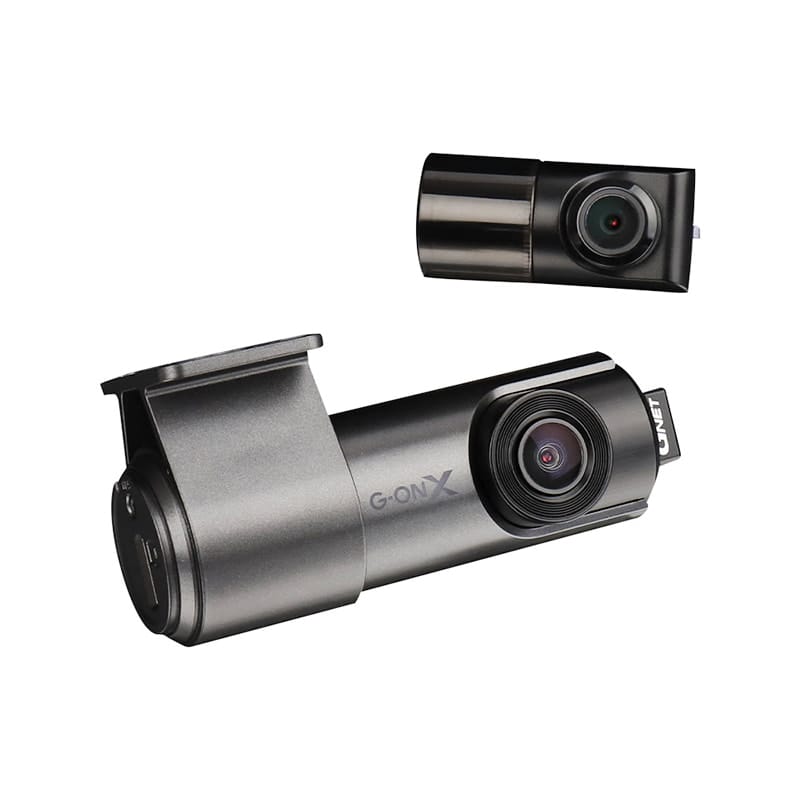
We have fitted both over the years, so this is not a sales pitch for one over the other. The honest position is that the Autowatch Ghost II and the Scorpion X are more alike than most comparisons admit — and that the thing which separates them is not performance at all.
Both are £499 supplied and fitted. Both are CAN-bus immobilisers. Both are disarmed by a sequence you choose, entered on buttons your car already has. Neither adds a fob or a tag. If you put the two installed vehicles side by side you could not tell which had which.
What the two systems share
Both wire into the vehicle’s own data network rather than cutting into the original loom. Once armed, the engine will not start until your disarm sequence is entered — steering wheel controls, window switches, indicator stalks, whatever the car offers.
That matters because it defeats the two methods actually being used on driveways right now. A relay attack captures your key’s signal through the front door; the car unlocks, but the engine still will not turn over. Key cloning produces a working key; without the sequence it drives nowhere. Even a genuinely stolen key is not enough on its own.
Both are also completely hidden. No visible box, no LED, no keypad on the dashboard advertising that something is fitted, and nothing extra for you to carry or lose. Neither affects your manufacturer warranty, and both can be removed cleanly if you sell the car. Neither carries a subscription.
The one difference that matters
The Autowatch Ghost II is TASSA approved. The Scorpion X is not — and there is no TASSA-approved version of it.
That is the whole comparison, really. Everything else is a matter of preference. This one is a matter of whether your insurer will recognise what you have had fitted.
| Autowatch Ghost II | Scorpion X | |
|---|---|---|
| Price supplied & fitted | £499 | £499 |
| How you disarm it | PIN sequence on existing buttons | PIN sequence on existing buttons |
| Fob or tag to carry | None | None |
| Stops relay & key cloning | Yes | Yes |
| Visible to a thief | No | No |
| TASSA approved | Yes | No |
| Vehicle coverage | Very wide | Good, strong on Toyota & Lexus |
| Subscription | None | None |
What TASSA approval actually does
TASSA registration means the installation is recorded on a database, checked and auditable, rather than resting on a paper certificate in your glovebox. Before fitting, a registered installer can also run stolen-vehicle and clone checks on the car itself.
For you, the practical consequence is narrow but important: some insurers specify a TASSA-approved system by name, particularly on high-risk vehicles. Toyota and Lexus owners run into this most often. If your policy says that, a Scorpion X will not satisfy it no matter how well it protects the car.
We would rather you knew that before booking than after. Insurers vary considerably and some do not specify anything at all, so check your own policy wording before you decide — and be wary of anyone who promises you a premium discount without having read it.
Why we stopped fitting the Scorpion X
For a long time our answer was: when the insurance question does not arise. Plenty of drivers are not fitting an immobiliser to satisfy a policy — they are fitting one because their car is on a list thieves work from. If the insurer asked for nothing, the Scorpion X did that job at the same price.
It integrated particularly cleanly with the CAN network on Toyota and Lexus models, which is where we fitted most of them. We have since taken it off our list altogether, for the reason above: at £499 either way, we could not justify fitting the system without the approval when two approved ones cost the same. On Toyotas and Lexuses we now fit the Nitro Pro.
But we will say plainly: since both systems cost £499 fitted, and one of them carries an approval the other cannot, most people should take the Ghost II. You are not paying extra for the accreditation. There is no good reason to leave it on the table unless something specific about your vehicle points the other way.
What about the Nitro Pro?
Worth knowing about, because it changes the answer for some people. The Nitro Pro CAN-IMMO is also TASSA approved and also £499 fitted, but it adds Bluetooth tag or phone pairing — so it disarms automatically as you get in, with a PIN sequence as backup.
If entering a sequence every single journey sounds like something you would grow tired of, that is the one to look at. It is the system we most often recommend to Toyota and Lexus owners, who tend to face the strictest insurance requirements.
Which one goes on your car
- Your insurer specifies TASSA — Ghost II or Nitro Pro. The Scorpion X is out.
- You want the widest vehicle compatibility and the longest track record — the Ghost II, £499 supplied and fitted.
- You do not want to enter a sequence every journey — Nitro Pro.
- You drive a Toyota or Lexus — Nitro Pro first, Ghost II second.
- No insurance requirement and you like a straightforward PIN system — the Ghost II does exactly that, and the approval comes free with it.
Common questions
Is the Ghost II actually better at stopping theft?
In everyday terms, no — both stop a relay attack and both defeat a cloned key. The Ghost II’s advantages are its longer track record, its very wide vehicle coverage and its TASSA approval, not a difference in how hard it is to get past.
How long does fitting take?
A few hours for either system. We come to your home or workplace and the car stays with you throughout. Before we leave we set your sequence with you and show you service and valet modes, so a garage can move the car without knowing your code.
What if I forget my sequence?
Get in touch and we will sort it. Sequences can be changed at any time on both systems, which also covers you if you hand the car to a new driver.
Will either affect my warranty?
No. Both connect to the CAN network without cutting into the vehicle’s original wiring, and both can be removed cleanly when you sell.
Still not sure?
Tell us the make, model and year and what your insurer has asked for, and we will tell you which of the three we would put on it — including when the answer is the cheaper option. We fit at your home or workplace across Essex, Hertfordshire and North London.
Call 03330 129 028 or get in touch. If you want the background first, our full immobiliser comparison covers every system we fit, and our guide to how to stop keyless car theft explains what relay attacks and CAN injection actually involve.